The atmosphere of virtual water
In VR fishing, the setting is more than a backdrop. This piece looks at how light, weather and sound shape each spot, and how to choose one that suits your mood.
Water as the main character
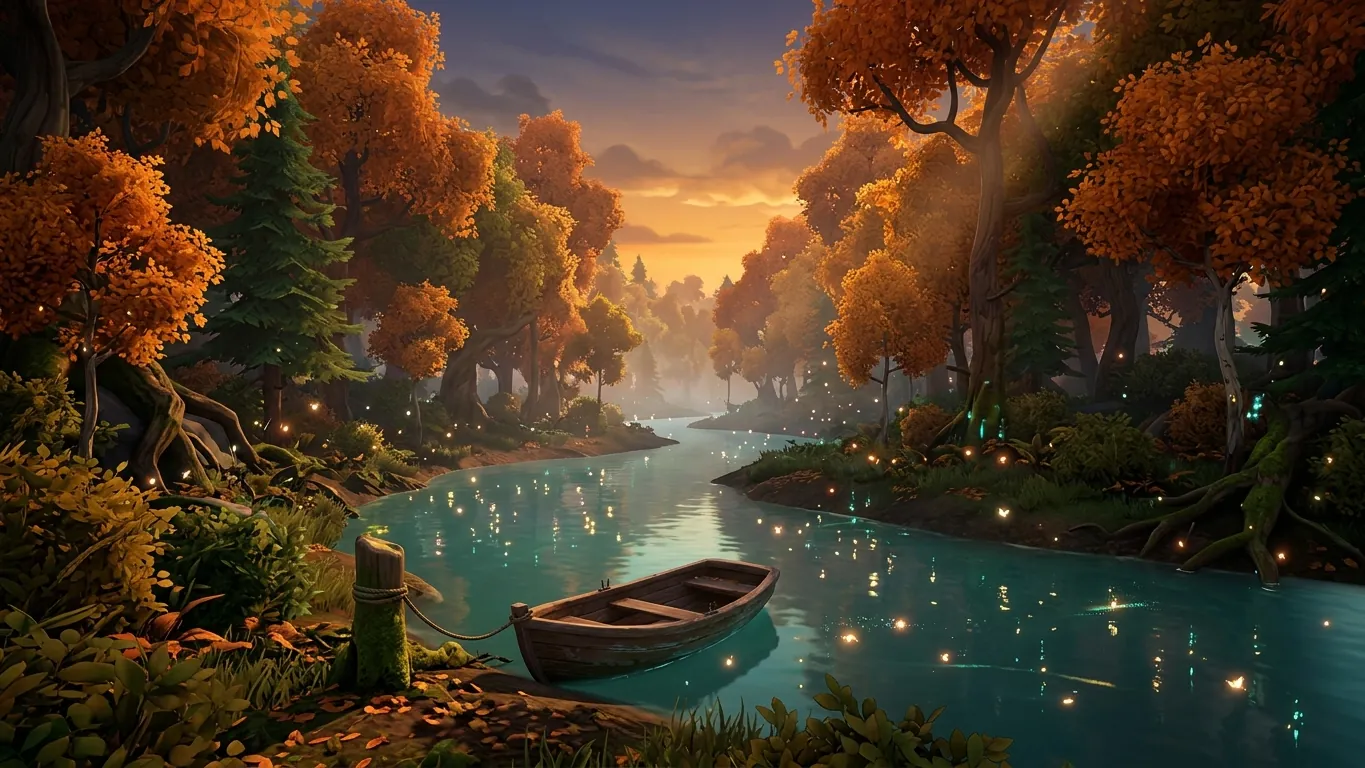
In many games, the environment supports the action. In VR fishing, the environment often is the experience. You spend long minutes looking at the same stretch of water. If it feels flat, the session feels flat. If it feels alive, you can enjoy waiting as much as catching.
That is why atmosphere deserves attention. It is not a technical detail. It is the reason many players return to a spot even when the fishing there is slow.
In our view, the best way to enjoy Real VR Fishing is to treat each location as a place with its own character, not just a list of fish to catch.
Light and time of day
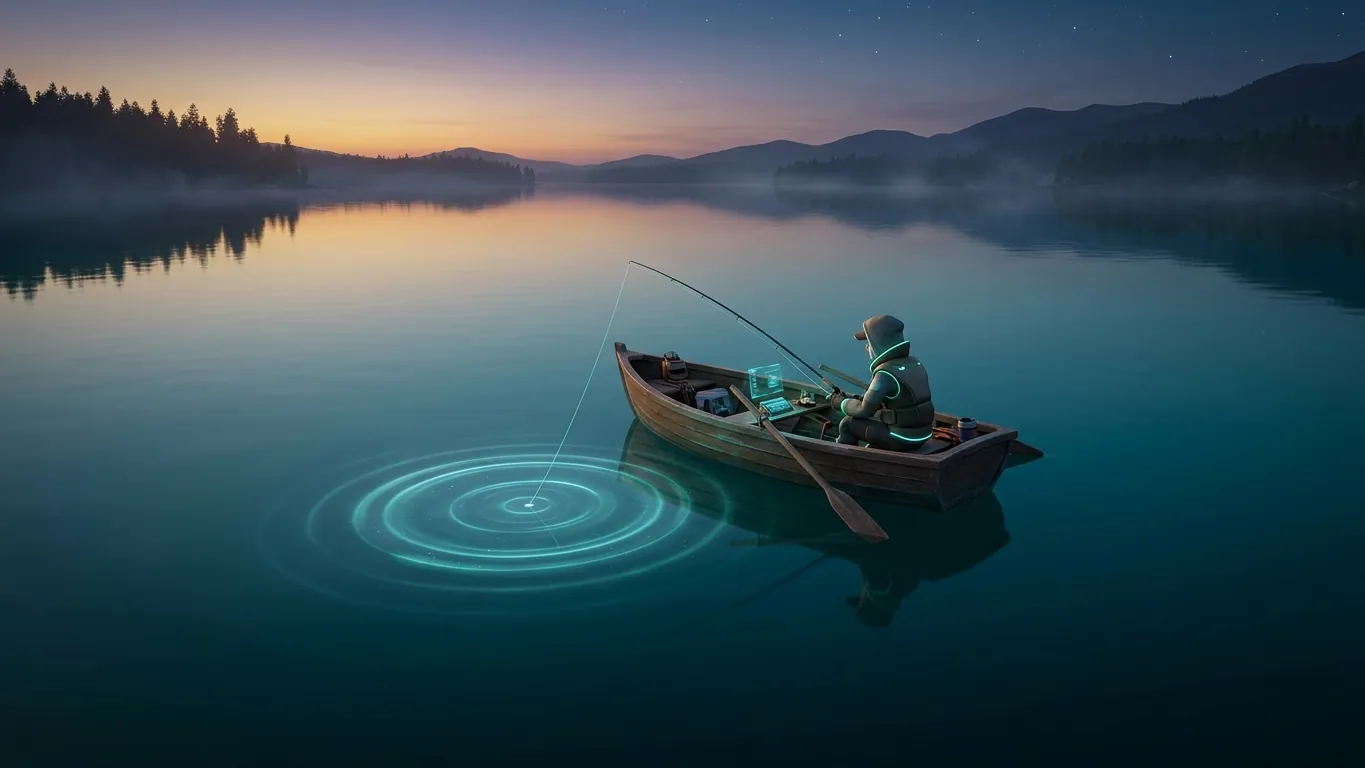
Light changes everything. Early morning light is soft and low, with long shadows and mist over the water. Midday is bright and clear, good for seeing the shallows. Evening brings warm colour and calm. Where the game lets you choose or experience different times, it is worth trying each one at the same spot.
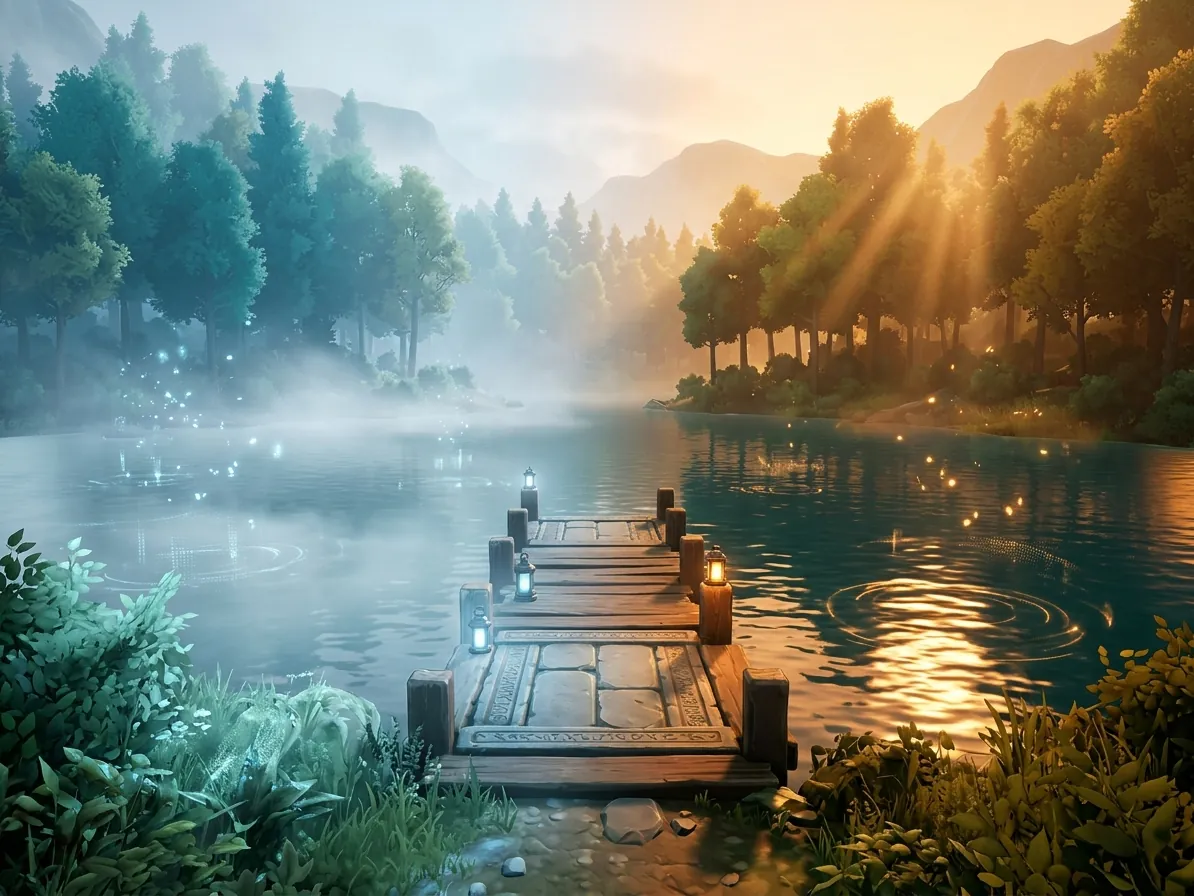
Watch how reflections change. In low light, the water often mirrors the shore. In bright light, you may see deeper into it. These shifts make the same lake feel like several different places.
Light also affects comfort. Some players find bright scenes tiring over long periods and prefer softer settings later in a session.
Weather, wind and sound
Weather adds movement. Wind ripples the surface and sways reeds. Overcast skies flatten the light and make colours quieter. Where weather effects appear, they change how the water reads and how the scene sounds.
Sound often carries the mood more than visuals. A gentle current, distant birds or wind through leaves fill the silence between casts. Close your eyes for a moment during a quiet wait and just listen. You may notice details you missed.
We find that the calmest sessions come from spots with steady, soft background sound. Busy or loud scenes can be exciting, but they suit shorter play.
Choosing a spot to match your mood
Before a session, ask yourself what you want from it. If you want to unwind, choose an open, quiet lake with gentle light. If you want focus, a river with current and structure gives you more to read and react to. If you want to explore, pick a spot you have not visited in a while and spend the first minutes simply looking around.
This turns location choice into part of the experience. It also keeps the game fresh over many sessions. The same rod and controls feel different when the setting changes.
There is no right answer here. Atmosphere is personal, and part of the pleasure is discovering which places speak to you.
The value of slow observation
Most games reward speed. Fishing rewards patience, and VR fishing rewards attention. When you slow down, small details become visible: a ripple near the bank, light catching an insect, the movement of clouds on the surface.
These details do not change your score. They change how the session feels. In our opinion, that is the real strength of the genre. It offers a calm, present space that is hard to find in faster games.
Next time you load into a spot, give yourself one minute before casting. Look, listen and notice. It is a small habit that can make every session by the virtual water richer.
Related articles
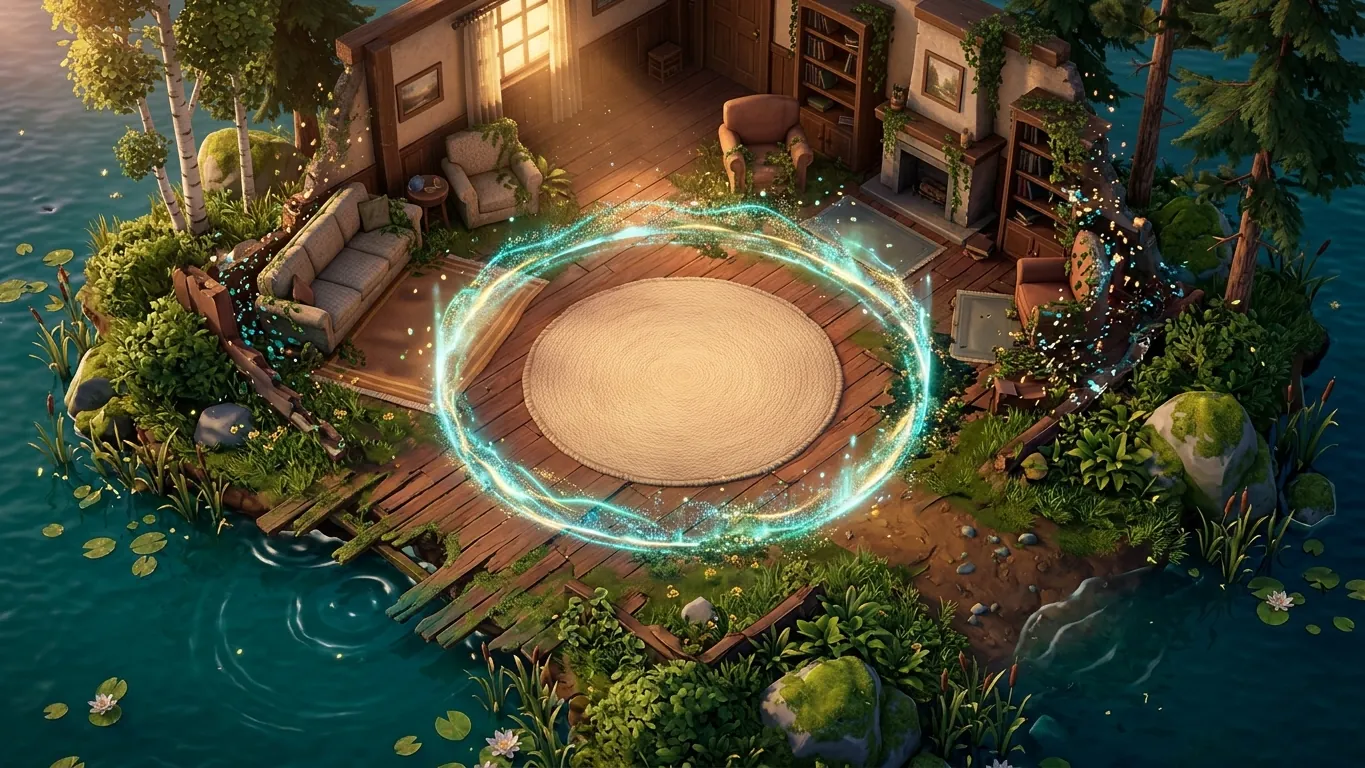 A safe play space for casting in VR
How to prepare a safe, comfortable play space for Real VR Fishing: clearing the floor, setting boundaries, managing cables and lighting for tracking.
Read more
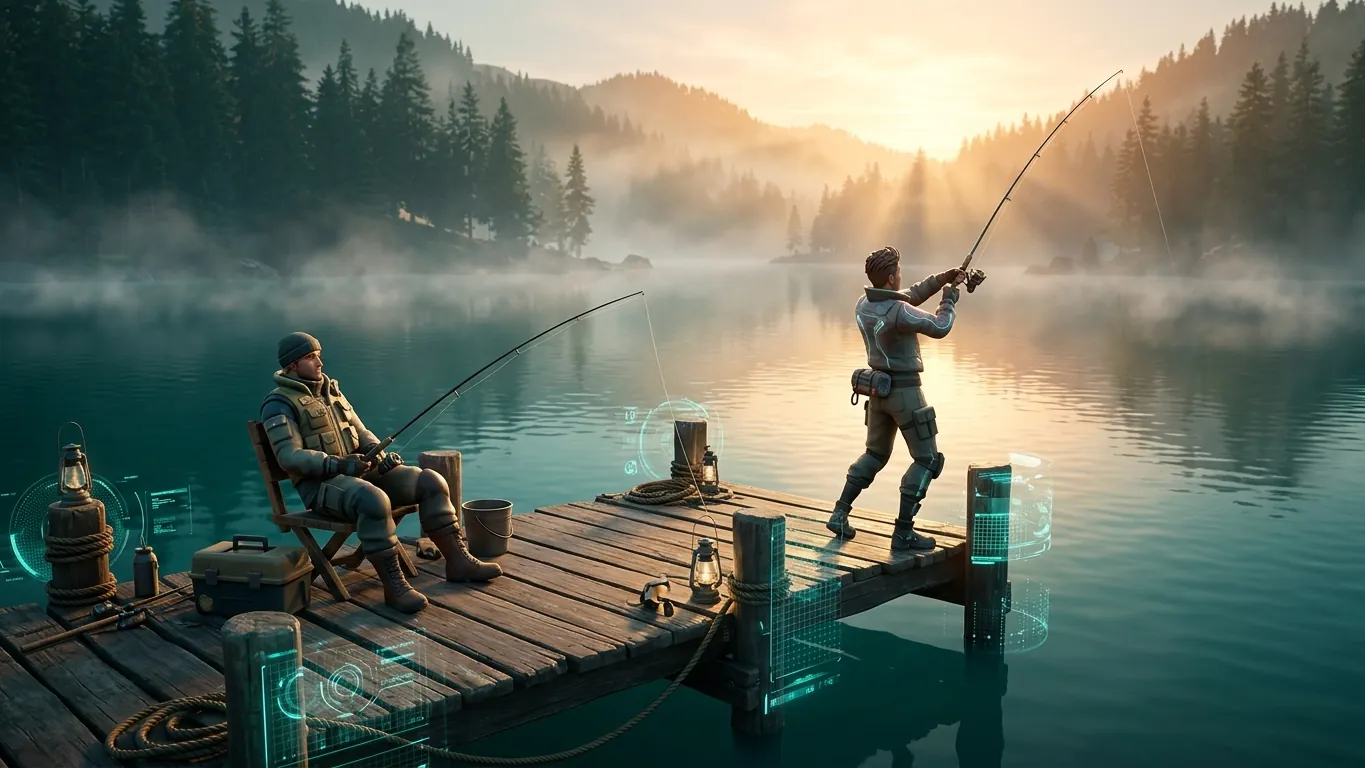 Seated or standing at the virtual shore
Compare seated and standing play in Real VR Fishing: comfort, presence, casting feel and how to set up each stance for calm, enjoyable sessions.
Read more
 In praise of waiting: slow gaming by the water
An opinion piece on why the slow pace of Real VR Fishing is its strength, and how patience, quiet waiting and attention shape a calmer play session.
Read more