A safe play space for casting in VR
Casting involves real arm movement, so your room matters. This guide covers clearing space, setting boundaries, lighting and a short checklist before each session.
Why play space matters for fishing
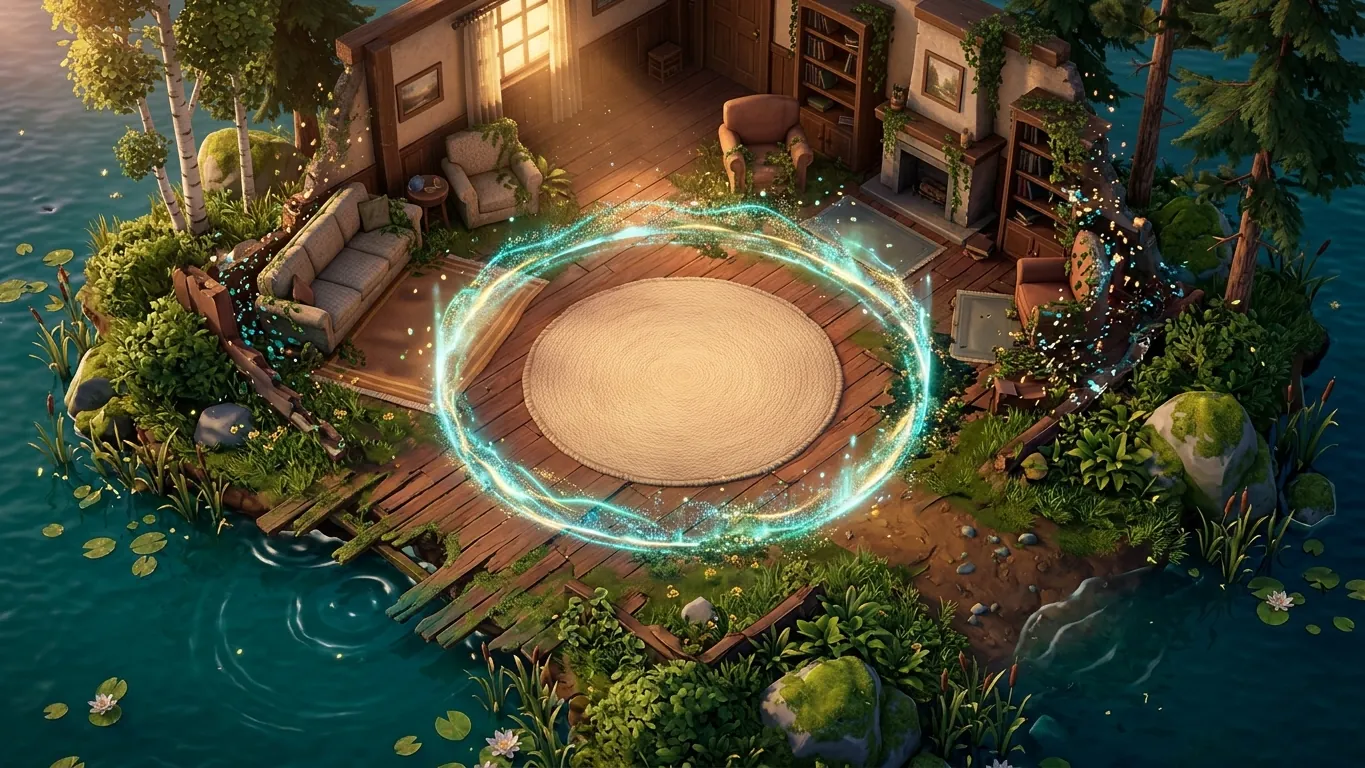
VR fishing looks gentle, and it mostly is. But casting means swinging your arm forward and back. Reeling means small, repeated movements. A strong fish can make you lean or step without thinking.
In a headset, you cannot see your real room. Furniture, walls, lamps and pets become invisible. A few minutes of preparation prevents knocks to your hands and controllers and keeps the session relaxed.
You do not need a large room. You need a clear area where you can extend your arms in every direction and take a step without hitting anything.
Clearing the floor and the air
Start with the floor. Remove bags, shoes, toys and loose rugs that could trip you. Move small tables or chairs out of reach.
Then check the air around you. Ceiling lights, hanging plants and shelves can be hit by an overhead backswing. Stand where you plan to play and slowly raise your arms in all directions, including above and behind you. If you touch anything, move it or move your position.
Casting often brings your hand behind your shoulder. That is the area people forget to check. Pay attention to walls and doors behind you as well as in front.
Boundaries, cables and pets
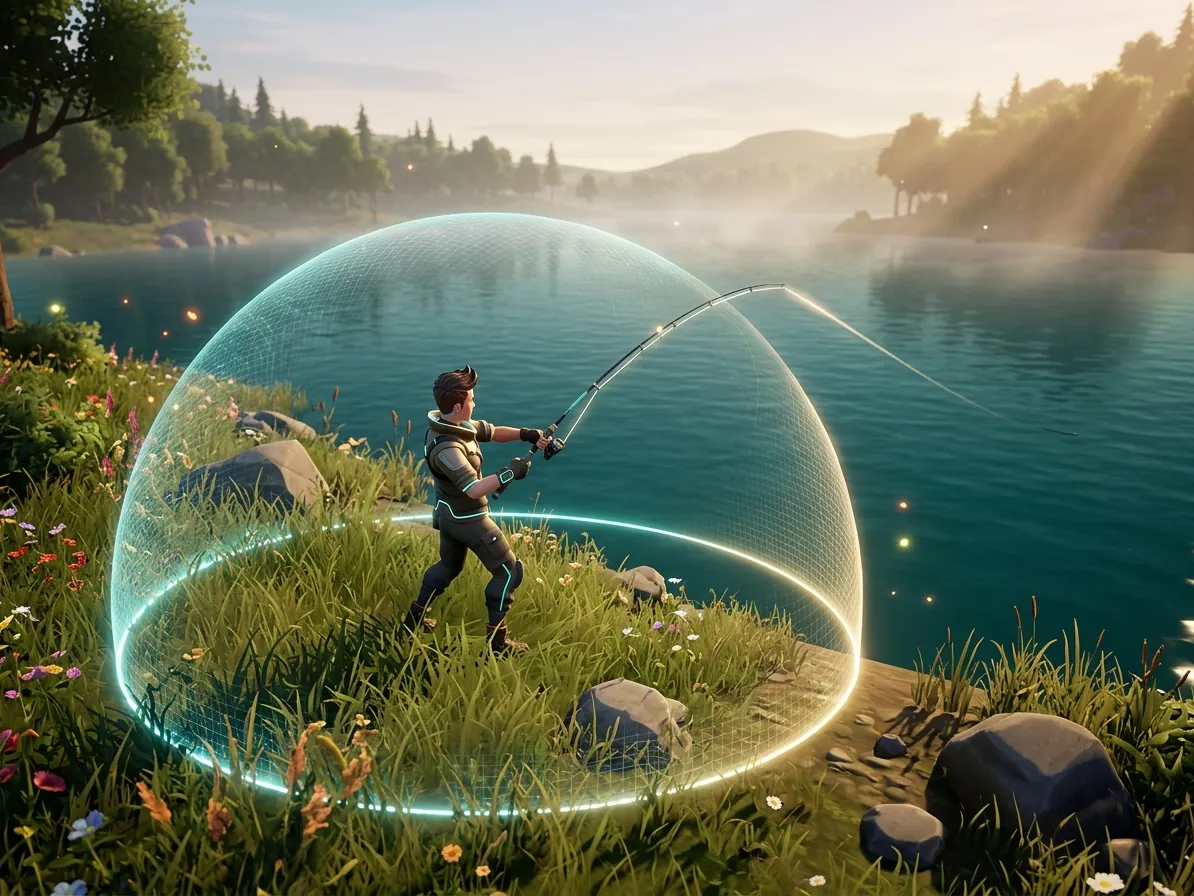
Most headsets let you draw a boundary that appears when you get close to its edge. Set it slightly inside your real clear area, not right up to the furniture. This gives you a margin for sudden movements.
If your headset uses a cable, route it behind you and avoid stepping on it. Some players use a ceiling hook or pulley to keep cables off the floor. Wireless setups avoid this but still need a clear area.
Pets and small children may walk into your space without you knowing. Close the door if you can, or let others in the home know you are playing. A quick word before you start avoids surprises.
Lighting for steady tracking
Tracking keeps your head and hands in the right place in the game. Many headsets track best in a room with even, moderate light. Very dark rooms or strong direct sunlight can make tracking less reliable.
Avoid large mirrors or very reflective surfaces in view of the headset, as they can sometimes confuse tracking. Close curtains on bright days. Also keep the headset lenses out of direct sunlight, which can damage them.
Stable tracking improves both safety and presence. When your hands stay where you expect, casting becomes smoother and the virtual water feels more real.
Quick checklist before each session
Run through these steps every time. It takes about a minute.
- 01
Scan the floor
Look for new objects since last time: bags, shoes or anything moved by others.
- 02
Check overhead and behind
Raise your arms in all directions, including behind your shoulder, to confirm nothing is within reach.
- 03
Confirm the boundary
Make sure your headset's boundary matches the clear area and still has a safety margin.
- 04
Tell others you are playing
Let people in the home know so they do not walk into your space unexpectedly.
- 05
Charge and secure
Check controller batteries and use wrist straps so a controller cannot slip from your hand during a cast.
Related articles
 Seated or standing at the virtual shore
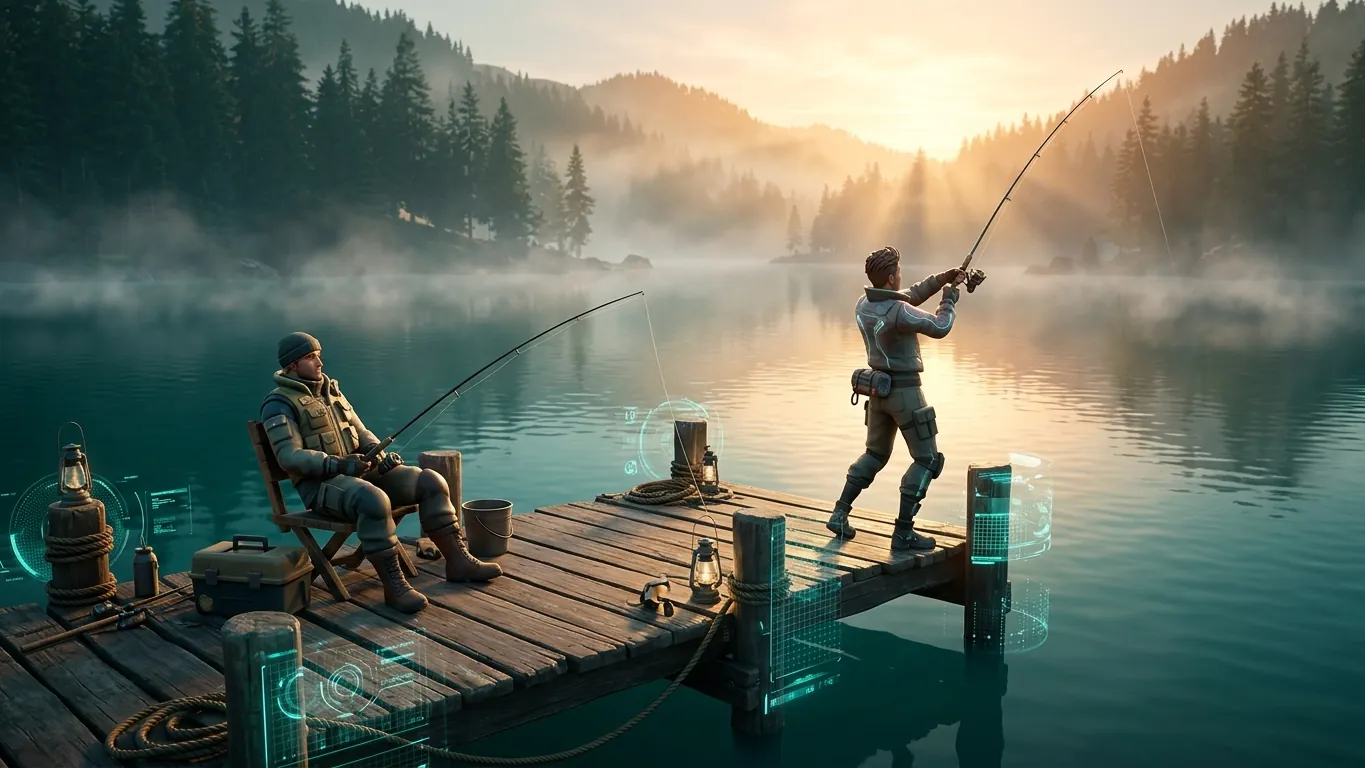
Compare seated and standing play in Real VR Fishing: comfort, presence, casting feel and how to set up each stance for calm, enjoyable sessions.
Read more
 In praise of waiting: slow gaming by the water
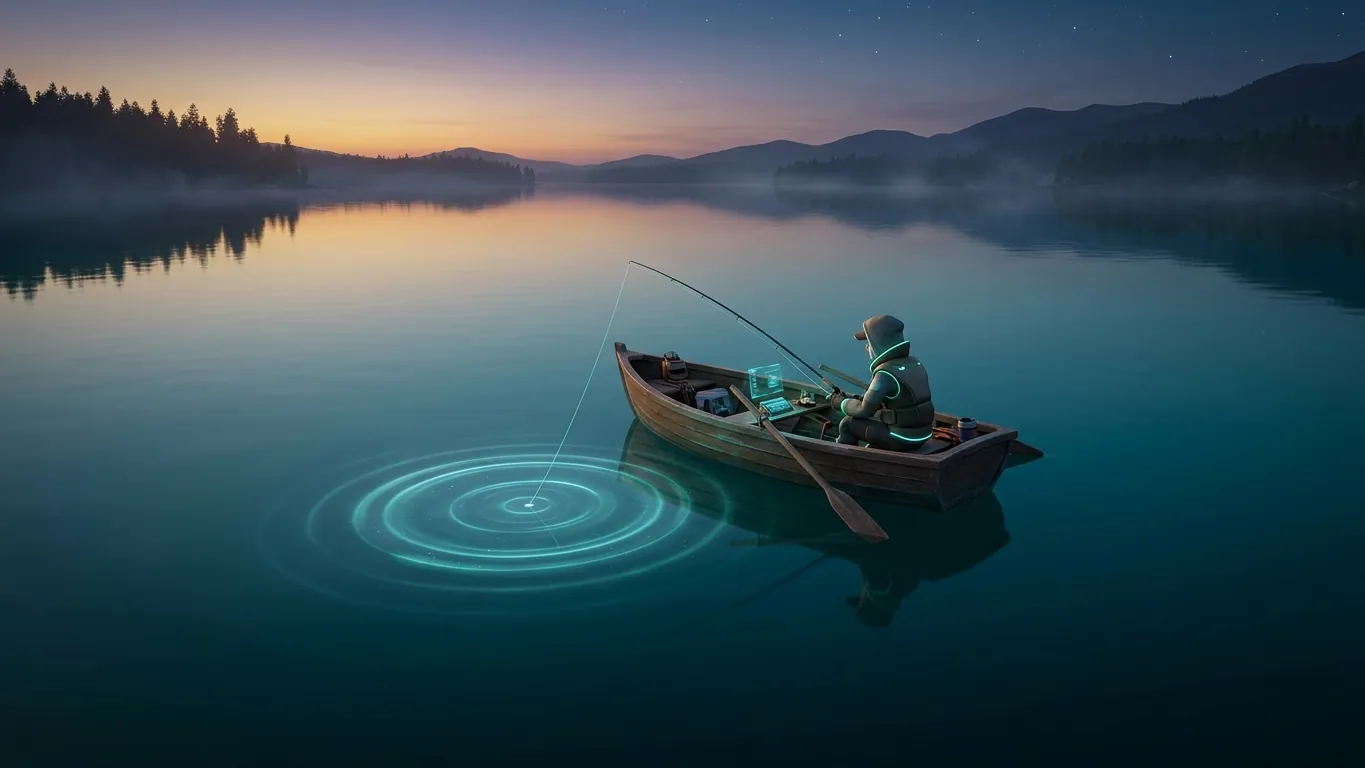
An opinion piece on why the slow pace of Real VR Fishing is its strength, and how patience, quiet waiting and attention shape a calmer play session.
Read more
 Your first session by the virtual water
A practical guide to your first Real VR Fishing session: headset fit, looking around the shoreline, your first cast and why a short session works best.
Read more